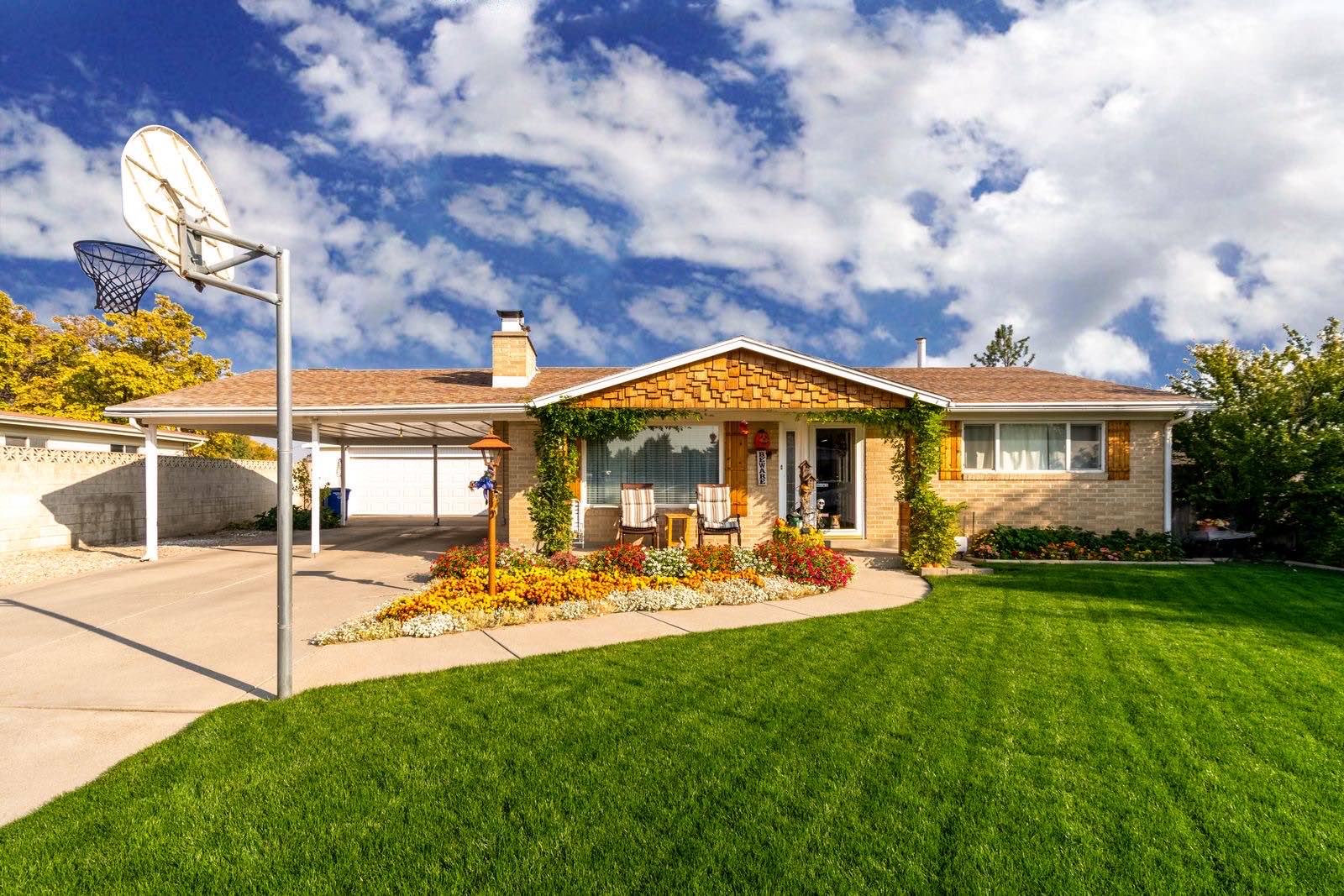
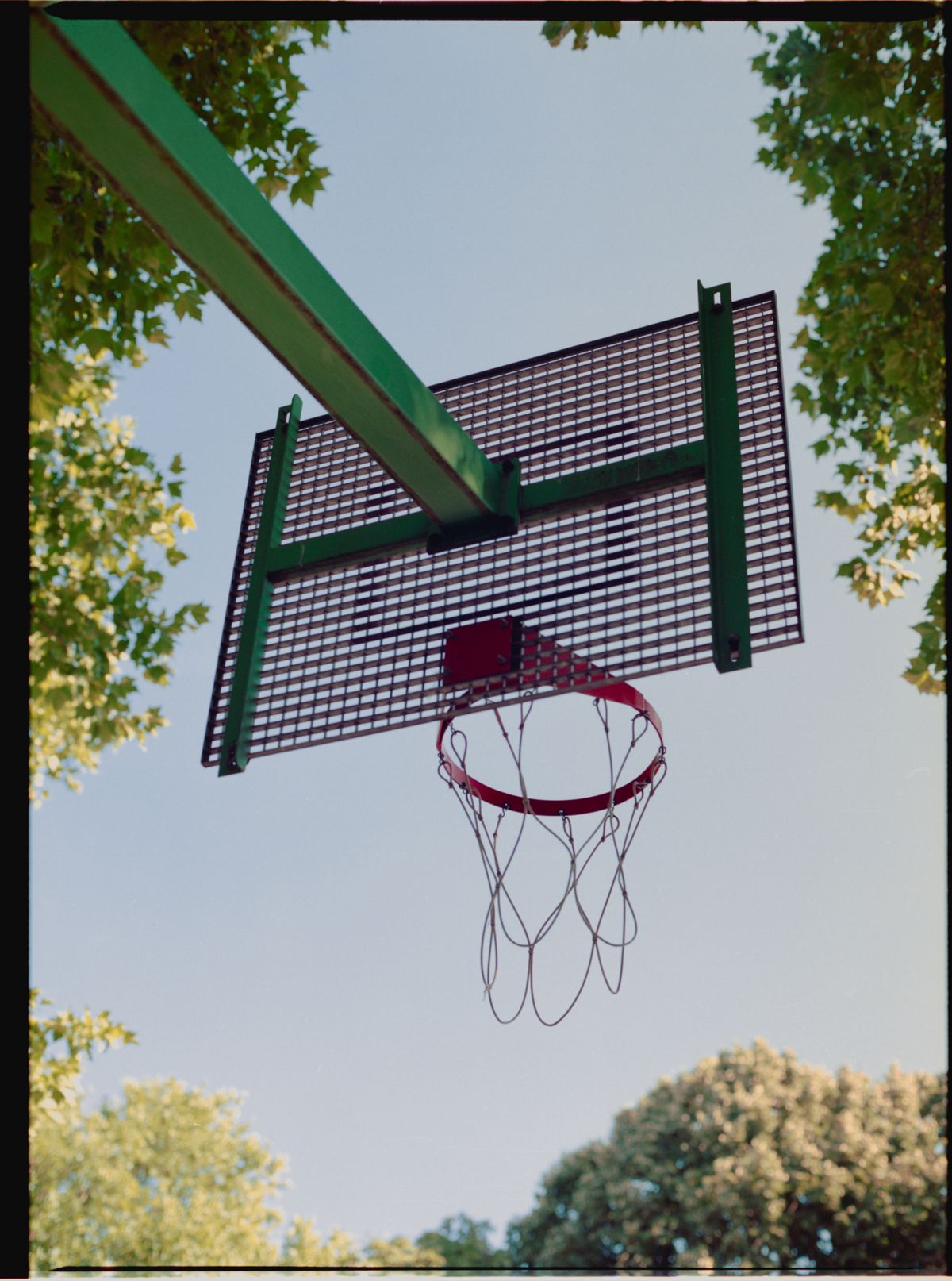
Detroit bulk refuses metal poles and concrete, so an in-ground hoop rarely qualifies. Second Life Play lowers the goal safely, hauls the pieces and agrees the footing plan first.
Detroit’s bulk guidelines list metal poles and pipes and concrete among refused items, which is most of an in-ground hoop. The board might go out, but the post and base need another route. Our team lowers the backboard and arm with the right support, separates the rim and pole and hauls everything away. Send photos of the base where it meets the ground, the board and arm, and your driveway. Tell us whether the footing should stay, be cut at grade or be removed, and we will agree that before the visit.
We look for more play. Then the right disposal route.
We try to rehome suitable equipment before recycling accepted materials or responsibly disposing of the remainder. Condition and recipient acceptance determine what is possible.
Sample Second Life Play prices in USD, not live offers or competitor quotes. Assumes one residential item, level ground, clear ground-floor access and ordinary hardware. Includes stated dismantling, haul-away and disposal. Difficult access, severe corrosion, unusual anchors, excavation beyond the stated scope, repairs and any applicable tax need confirmation. No payment or booking is taken.
A BETTER QUOTE STARTS HERE
Three photos. Fewer surprises.
Include the item, its condition and the way out. Please keep children, faces and personal information out of your photos.
1The whole hoop and backboard
2The base, wall bracket or concrete footing
3Make/model label, damage and vehicle access
RATHER DO IT YOURSELF?
Totally fair. Here’s how to do it right.
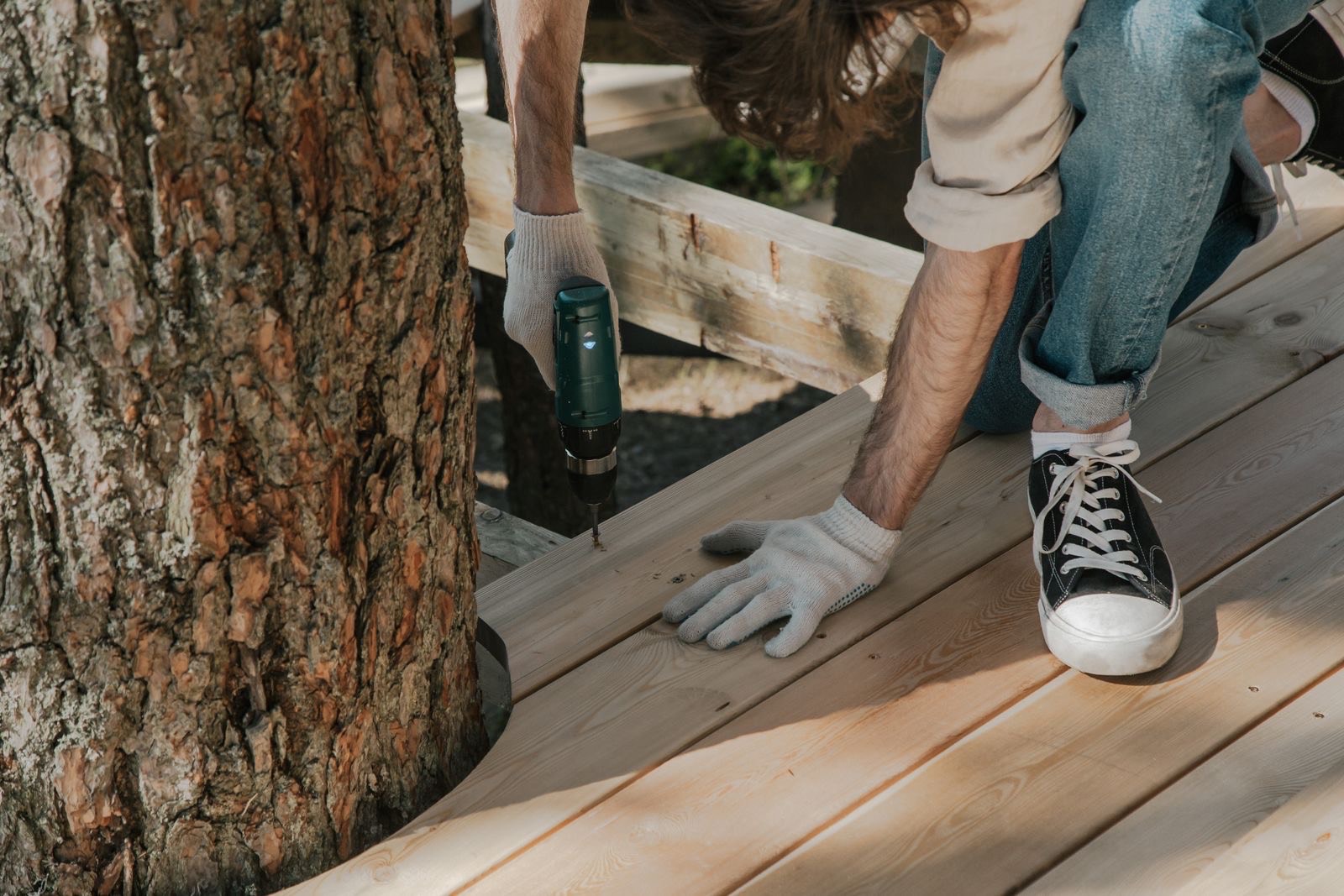
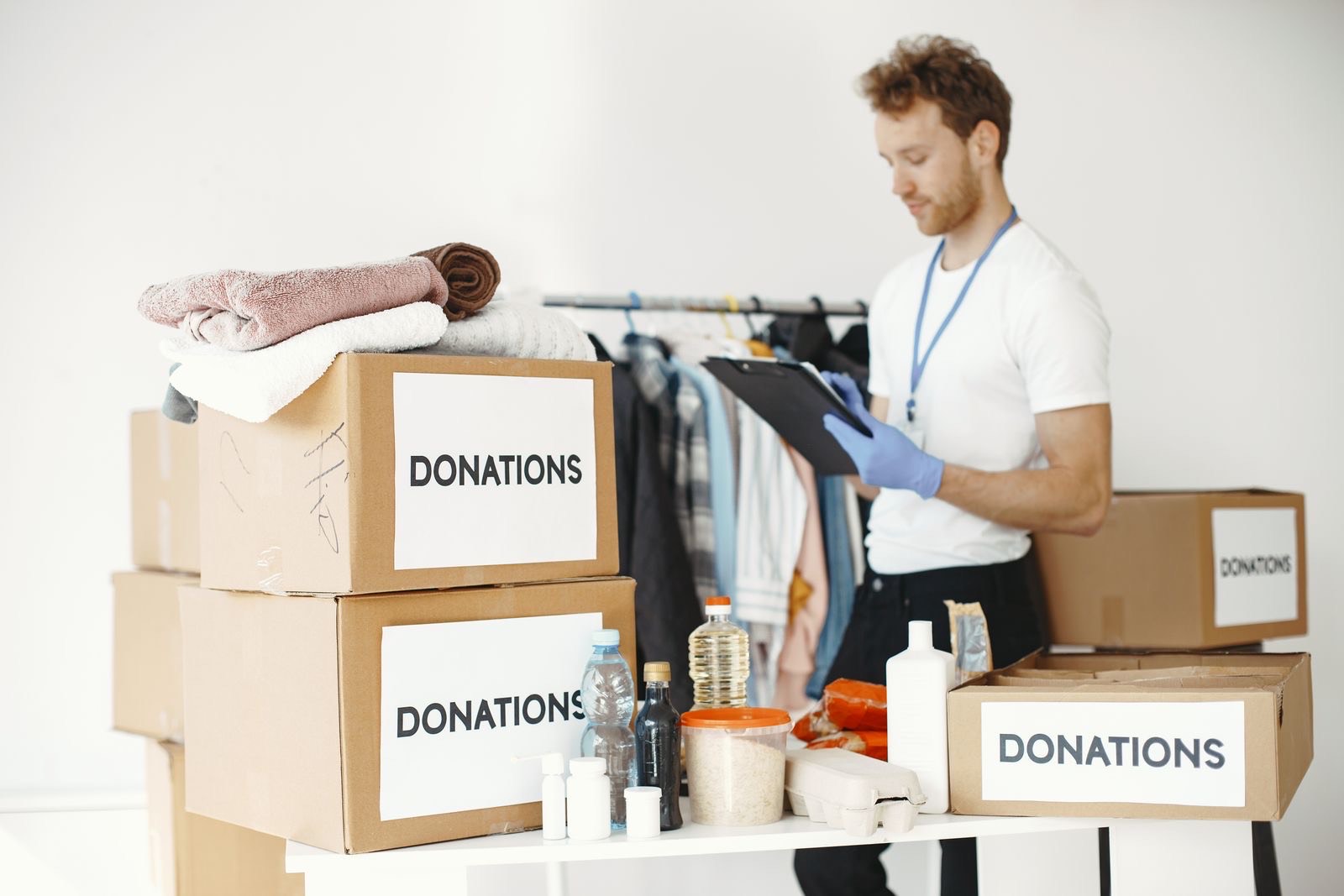
If you’d rather take the basketball hoop apart and find it a new home yourself, here’s what we’d tell a friend in Detroit: where to donate it, what the local collection and drop-off rules allow, and what to do with anything that can’t be reused.
Photograph it assembled before you start. Recipients want to see what they’re getting.
Bag and label the hardware for each section as it comes apart.
Be honest about rust, rot, tears and missing parts. Unsafe equipment shouldn’t be passed on.
Call before you load. Large outdoor items are usually accepted case by case.
In Detroit, long playset timbers are the piece most worth saving: the Architectural Salvage Warehouse on Piquette reviews donations by form and refuses lumber under four feet, so ask before you cut anything down to curb size.
Used and surplus building materials by approval: cabinetry, doors, fixtures, wood flooring, plumbing. Refuses furniture, household goods and lumber or molding under 4 feet.
Tip: Submit the donation form with photos first; drop-off is Wed–Sat 10–6 only after approval, and pickups carry a time-and-distance fee.
Search snippets of the affiliate’s site say its ReStores take new and used building materials and home improvement items; the donation page itself was blocked.
Tip: Call 313-884-6000 to confirm what’s taken and which East or West Detroit store to use before loading lumber.
Sports equipment, bikes, wagons and games. Its not-accepted list names swing sets, steel equipment, cribs and pool or ping-pong tables.
Tip: Swing sets are refused, so bring only small items like balls or a kids’ wagon. Address from Goodwill’s location list.
Listing only. Confirm details directly.
Checked online on October 9, 2026. Donation sites decide what they accept and can change their rules. They’re listed for your own drop-off and aren’t affiliated with Second Life Play. Don’t want to haul it? We’ll take it apart and look for a new home for you.
BEFORE YOU HAND IT OVER
Agree on the next home before teardown.
A straight pole with an undamaged board and working height adjuster can still serve another Detroit driveway. Measure the pole and photograph the mounting bracket before listing it. Goodwill of Greater Detroit accepts sports equipment generally, but a full in-ground system is far beyond what a donation counter handles, so a direct handoff is the realistic path.
Recipient acceptance must come first. Organizations listed here aren’t affiliated with Second Life Play, so confirm acceptance with them directly. A photo review does not certify equipment for use.
For an in-ground hoop, Detroit’s curbside program is a weak fit. The 2026 bulk guidelines list metal poles and pipes, along with concrete, brick and asphalt, as not accepted, which describes the post and the footing of a typical driveway goal. The backboard, rim and arm may go out as bulk if they keep within the 50-pound-per-item rule and the weekly two-cubic-yard cap, but a tempered-glass or heavy acrylic board can be close to that. A portable hoop is simpler: drain the base and break it down. The steel post itself is a natural candidate for scrap; McNichols Scrap Iron & Metal says it buys ferrous metal from the public. If the footing comes out, the citizen drop-off yards refuse demolition debris, and J. Fons is the city site that takes all debris.
We think we’re the best at this. Go ahead and compare.
We think we’re pretty great at removing old play equipment and finding it a second home. We’d even dare say the best: it’s what we do. But it’s your yard and your call. If you’d like to compare, here are other companies that advertise basketball hoop removal around Detroit. Give them a call. We’re confident you’ll choose us.
Independent businesses, not Second Life Play crews or affiliates. Descriptions reflect what their own pages advertised when checked; confirm your address, equipment and full scope with them directly.
Detroit collection & drop-off questions.
Is a portable hoop treated differently in Detroit?
The city does not mention hoops, but a portable unit broken into pieces under 50 pounds avoids the metal-pole and concrete exclusions that catch in-ground goals. Drain the base first.
Reviewed online on October 10, 2026. A published listing confirms what an organization advertises; it does not confirm today’s appointment availability or acceptance of your exact equipment.