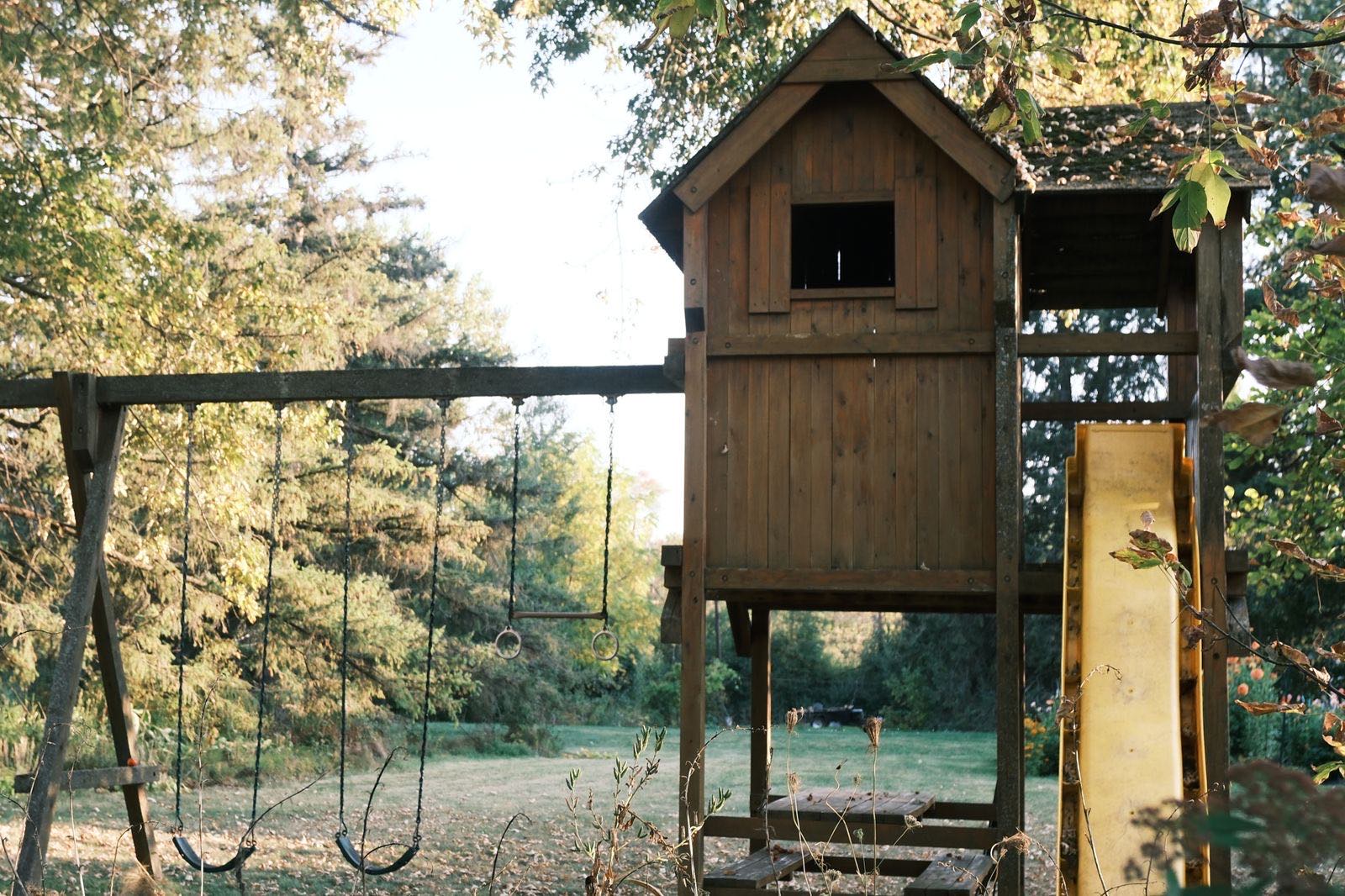
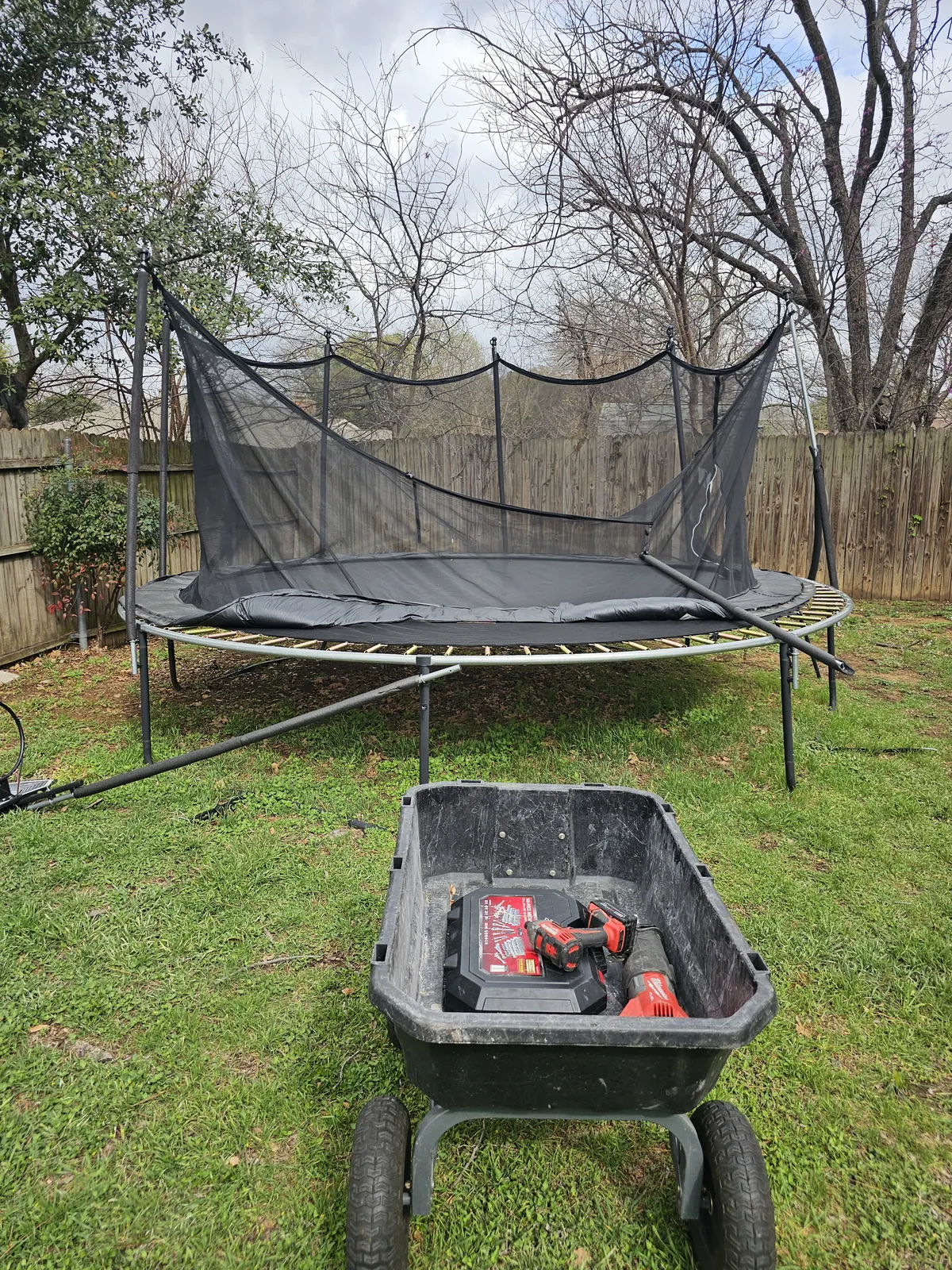
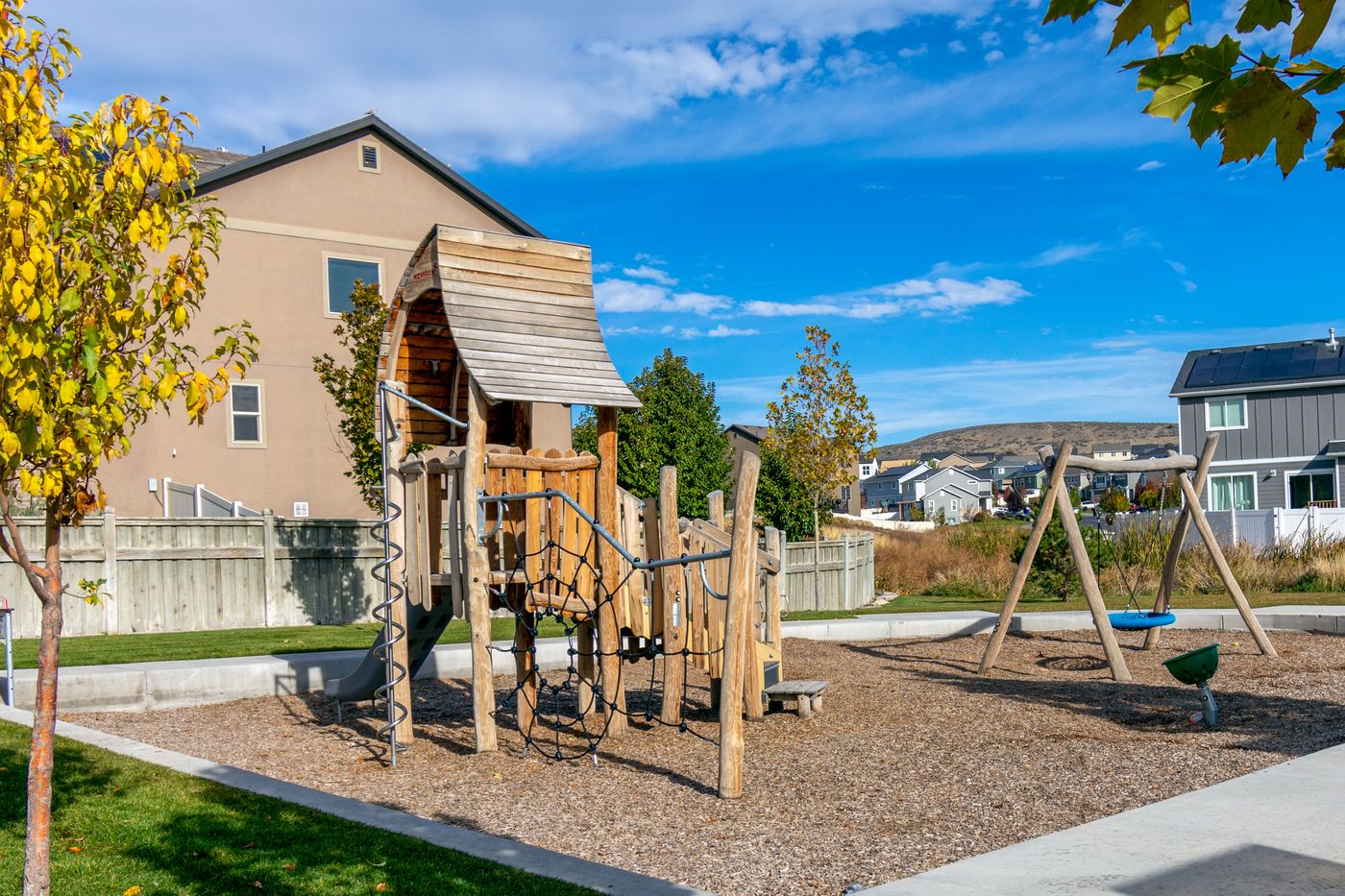
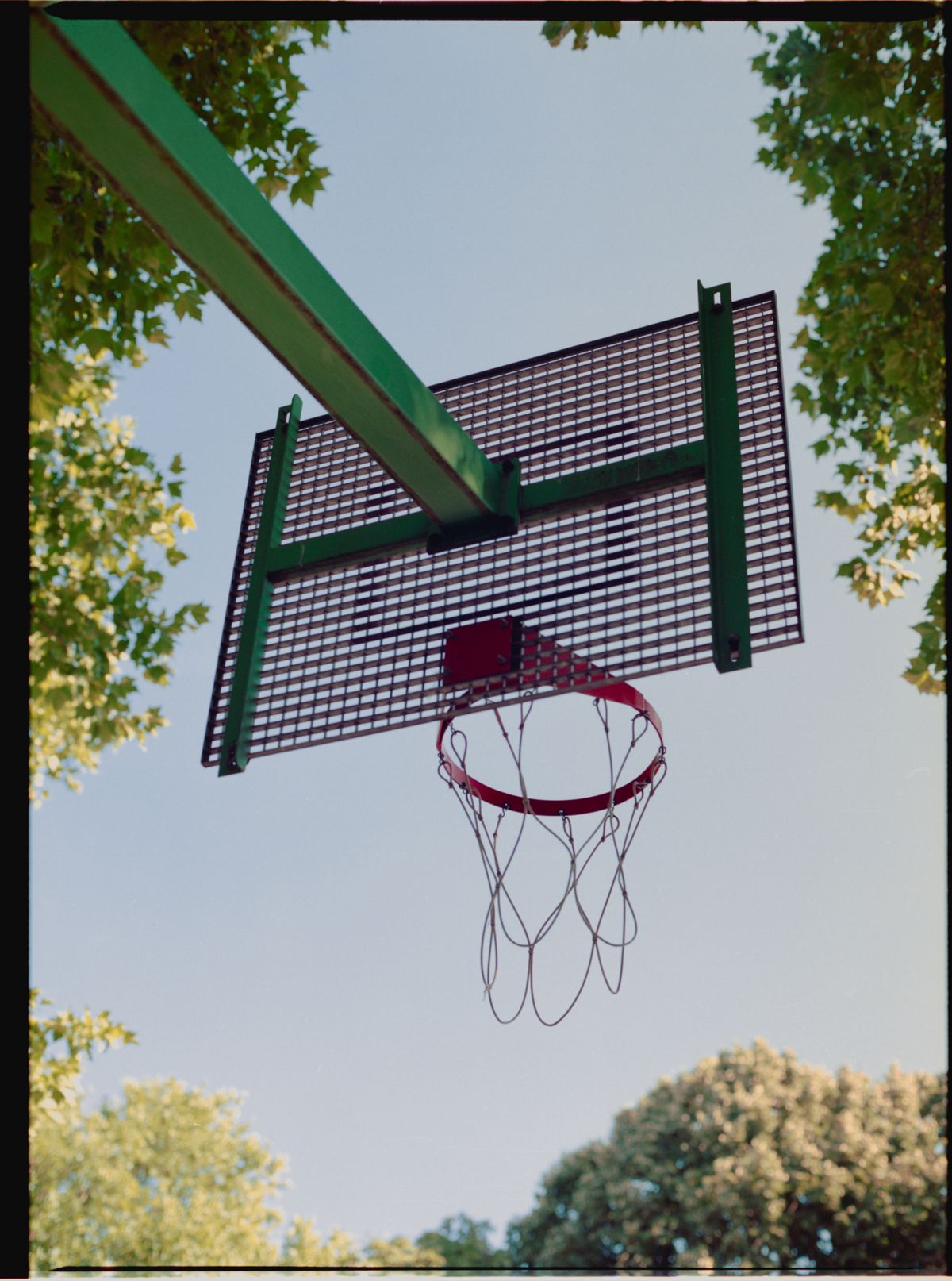
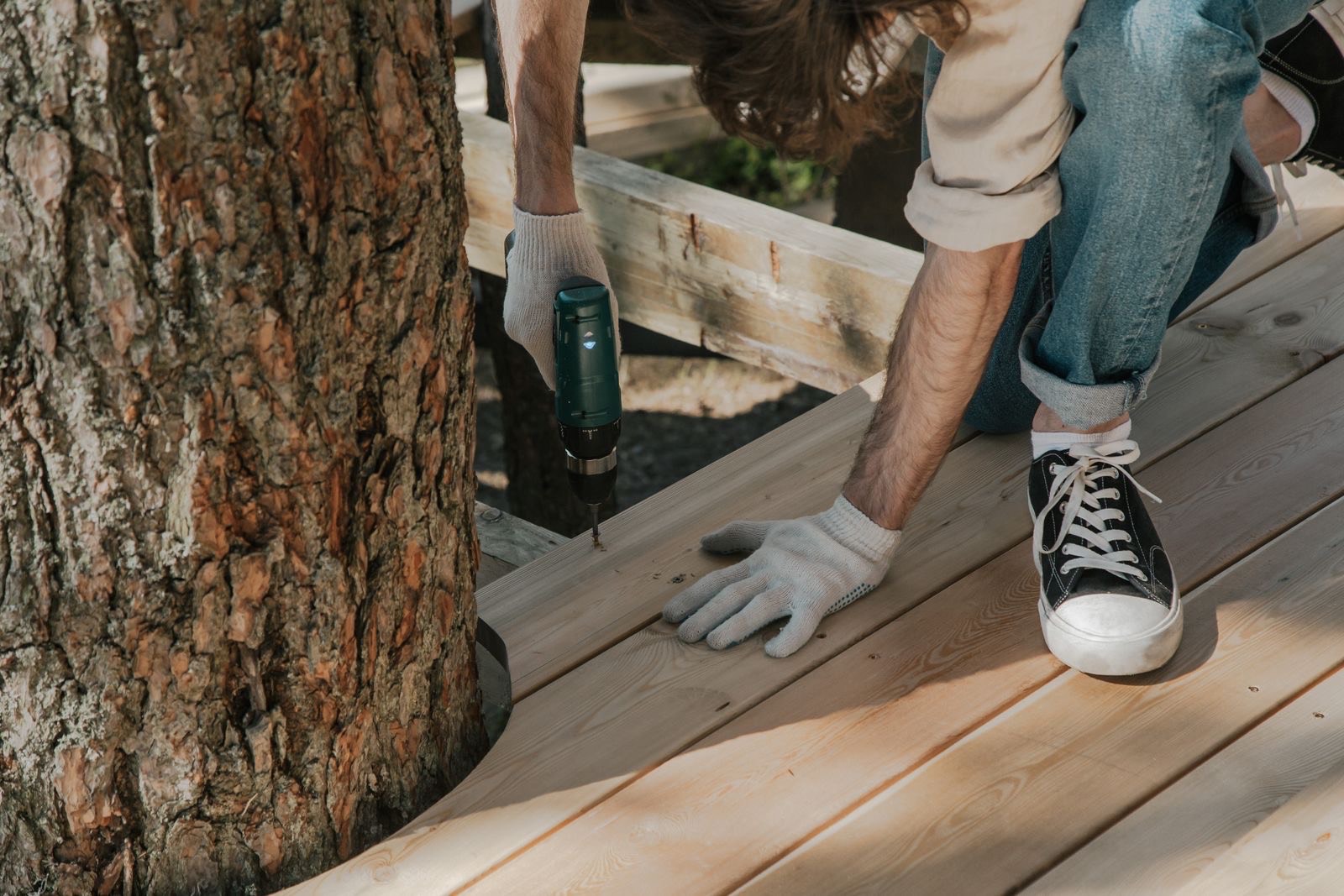
Boston sends wood, metal and concrete to private haulers, not curbside trash. Second Life Play dismantles trampolines, swing sets and hoops and hauls every piece away.
Boston lets furniture go out beside the barrels, but its waste-ban list puts treated and untreated wood, ferrous metal, and brick and concrete in the private-hauler column. That covers nearly everything in a backyard playset, trampoline or in-ground hoop. Our team takes the equipment apart where it stands, carries it out through tight side yards or alleys and loads it for removal, checking first whether it could go to another family. Send photos of the equipment, any footings and the path to the street, and tell us if you rent so the owner is in the loop.
Can’t I just leave it out with my furniture on trash day?
Furniture, yes. Play equipment is mostly wood and steel, which Boston lists as waste-ban materials for a private hauler, and the city also excludes construction debris and fences.
WHAT NEEDS TO GO?
Our removal services in Boston.
Choose your equipment for the removal details, pricing examples and photo checklist.
We look for more play. Then the right disposal route.
We try to rehome suitable equipment before recycling accepted materials or responsibly disposing of the remainder. Condition and recipient acceptance determine what is possible.
If you’d rather take the equipment apart and find it a new home yourself, here’s what we’d tell a friend in Boston: where to donate it, what the local collection and drop-off rules allow, and what to do with anything that can’t be reused.
Photograph it assembled before you start. Recipients want to see what they’re getting.
Bag and label the hardware for each section as it comes apart.
Be honest about rust, rot, tears and missing parts. Unsafe equipment shouldn’t be passed on.
Call before you load. Large outdoor items are usually accepted case by case.
Boston won’t take play-equipment wood or steel curbside, so donation matters more here. Boston Building Resources in Roxbury is the likeliest home for long, clean playset lumber; check its minimum board lengths before you cut anything down.
Building materials and household items in good condition; denailed lumber, trim and wood (no pieces under 5–6 ft); neatly packaged hardware. All donations at staff discretion.
Tip: Drop-off is Tuesday and Saturday 10–2 or by appointment. Keep playset boards long and pull every nail; pickup starts at $150.
Sporting goods, bicycles and new sealed toys. Will not take used toys, exercise equipment or large furniture including outdoor pieces; staff may decline by size.
Tip: Only small, clean sporting goods belong here, such as balls or a spare net. Large play equipment and used toys are on the do-not-accept list.
Checked online on October 9, 2026. Donation sites decide what they accept and can change their rules. They’re listed for your own drop-off and aren’t affiliated with Second Life Play. Don’t want to haul it? We’ll take it apart and look for a new home for you.
IF IT CAN’T BE DONATED
What to know about disposal in Boston.
Boston Public Works collects household trash from homes and smaller rental buildings, and furniture can simply go out beside the barrels on collection day with no appointment. Play equipment is a different story. On its trash page the city lists treated and untreated wood, ferrous and non-ferrous metals, and brick and concrete as Massachusetts waste-ban materials that “need to be collected by a private hauler,” and it separately says it does not collect construction debris or fences. Its special-collection page sorts large exercise equipment and construction material into “donate or hire a private hauler.” Taken together, a wooden playset, a steel trampoline frame and a hoop pole with its concrete footing all fall outside curbside service. Landlords of buildings with six or fewer units must supply lidded containers; buildings over six units follow large-building rules, and any receptacle bigger than two cubic yards requires a private hauler. Set-out runs from 5 p.m. the night before to 6 a.m. on collection day. Boston’s Zero Waste Days are for residents only and focus on hazardous items, electronics, tires and textiles rather than lumber or scrap. For a self-haul, James G. Grant Co. in Readville runs a construction and demolition transfer station that says it serves homeowners, takes wood, metal and concrete, and charges a $280 minimum.
DROP-OFF, COLLECTION & REUSE
Local rules that affect your options.
Wood and metal are private-hauler items
Boston’s waste-ban list sends treated and untreated wood, ferrous and non-ferrous metal, and brick and concrete to a private hauler rather than curbside trash.
Furniture goes out with regular trash on collection day, but the city lists large exercise equipment and construction material as donate-or-private-hauler items.
Landlords of six or fewer units provide lidded containers. Larger buildings follow separate rules, and receptacles over two cubic yards require a private hauler.
We think we’re the best at this. Go ahead and compare.
We think we’re pretty great at removing old play equipment and finding it a second home. We’d even dare say the best: it’s what we do. But it’s your yard and your call. If you’d like to compare, here are other companies that advertise play equipment removal around Boston. Give them a call. We’re confident you’ll choose us.
Independent businesses, not Second Life Play crews or affiliates. Descriptions reflect what their own pages advertised when checked; confirm your address, equipment and full scope with them directly.
EXPLORE NEARBY
Another community nearby?
Collection rules and drop-off access can change across city lines. Choose the guide for your address.
Reviewed online on October 10, 2026. A published listing confirms what an organization advertises; it does not confirm today’s appointment availability or acceptance of your exact equipment.