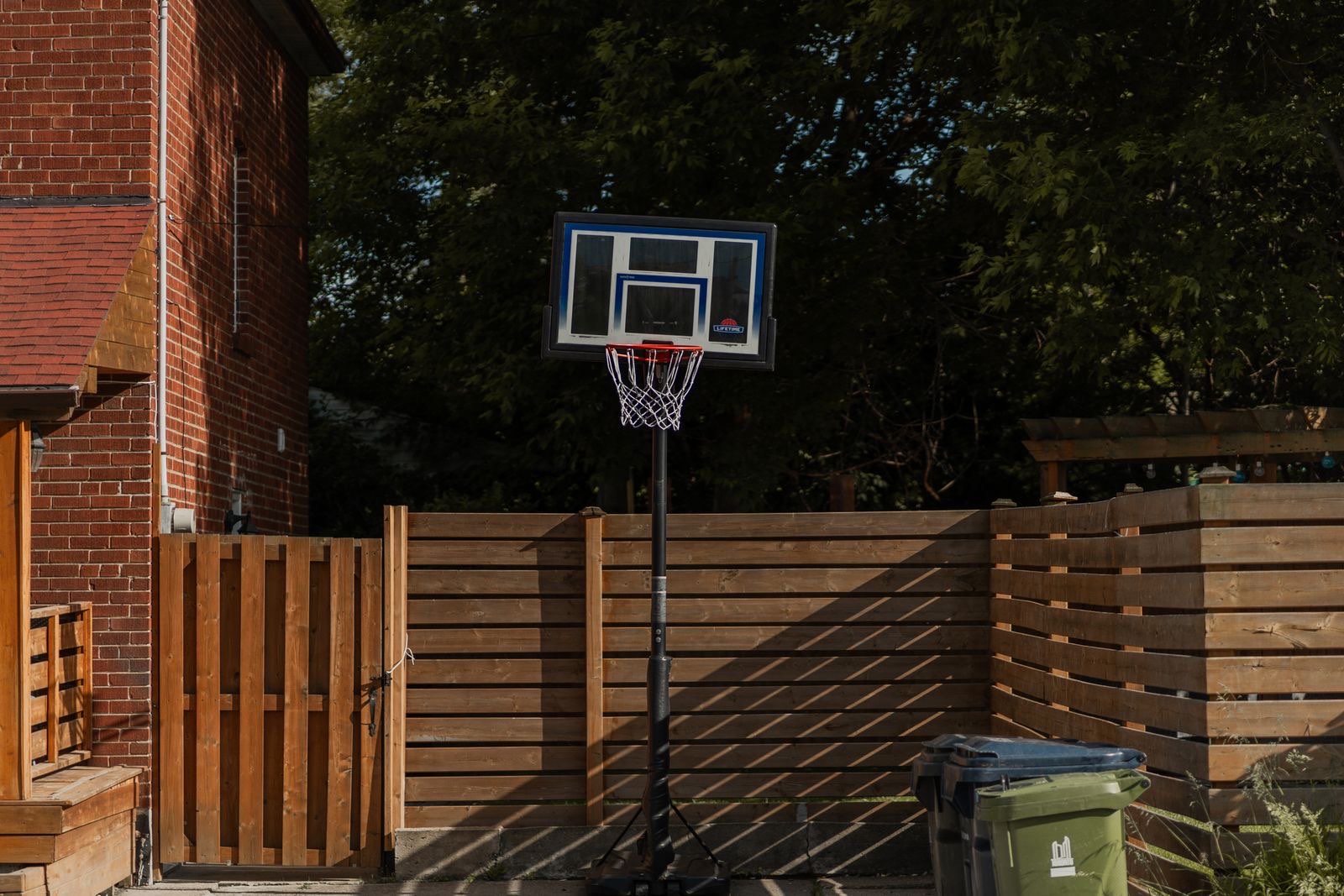
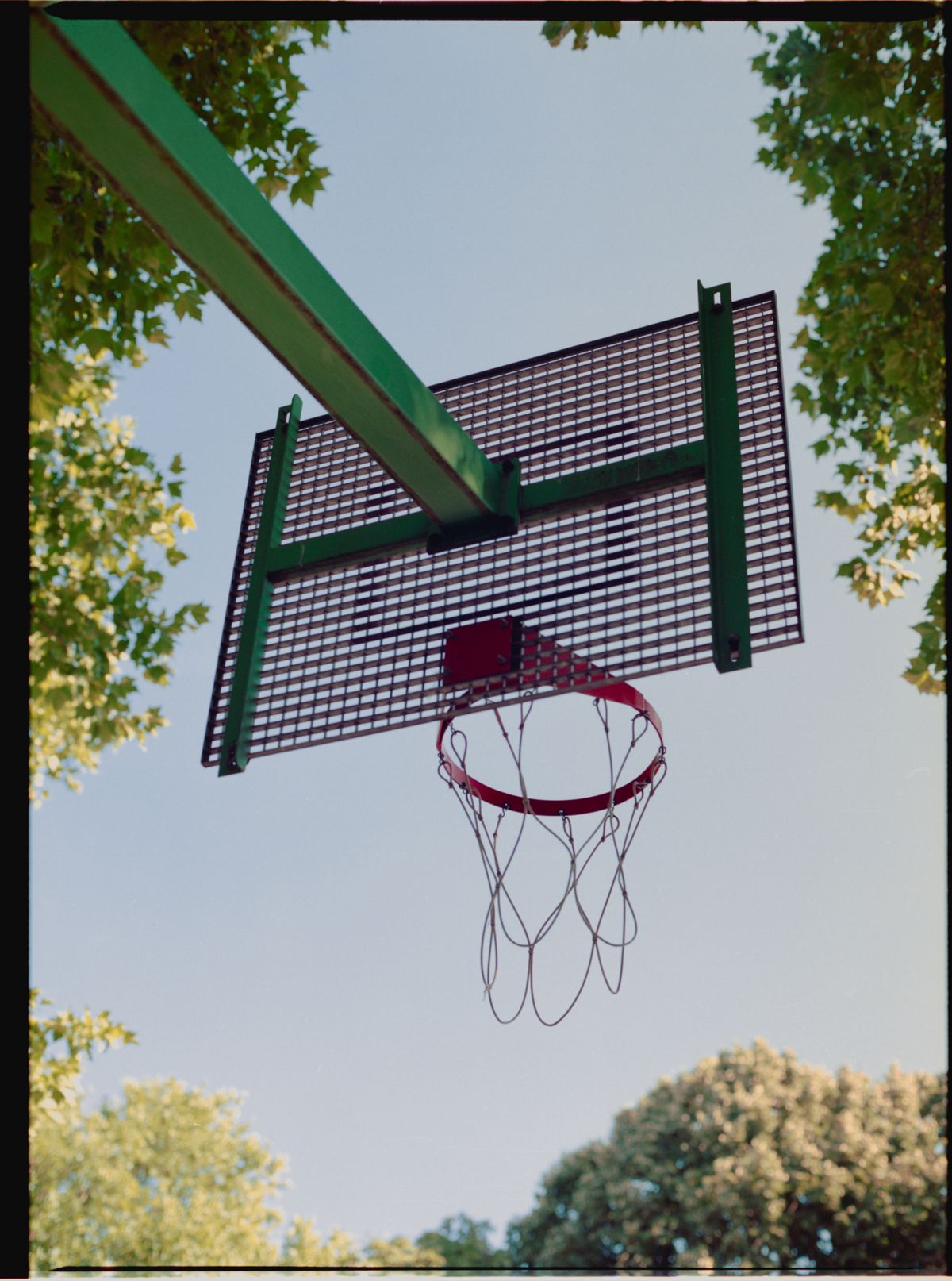
An in-ground hoop pole is usually over the six-foot parish limit, and Metairie concrete must be containerized. Second Life Play lowers your basketball goal and hauls it with footing agreed.
From pole to footing, a plan before the goal comes down
Jefferson Parish bulky collection stops at six feet and 400 pounds, and smaller concrete pieces need a container. A typical Metairie in-ground goal fails both tests. Our team removes the backboard and rim, lowers the pole safely and hauls the steel and board away. Send a photo of the base or anchor plate, the backboard and the goal’s position by the driveway. Tell us whether to leave the footing for a future goal, cut it flush or include it in the removal.
Usually. Tell us if the base is drained and how far it sits from the street. We break it down as part of the job, so you don’t have to cut the pole to fit the parish’s six-foot rule.
We look for more play. Then the right disposal route.
We try to rehome suitable equipment before recycling accepted materials or responsibly disposing of the remainder. Condition and recipient acceptance determine what is possible.
Sample Second Life Play prices in USD, not live offers or competitor quotes. Assumes one residential item, level ground, clear ground-floor access and ordinary hardware. Includes stated dismantling, haul-away and disposal. Difficult access, severe corrosion, unusual anchors, excavation beyond the stated scope, repairs and any applicable tax need confirmation. No payment or booking is taken.
A BETTER QUOTE STARTS HERE
Three photos. Fewer surprises.
Include the item, its condition and the way out. Please keep children, faces and personal information out of your photos.
1The whole hoop and backboard
2The base, wall bracket or concrete footing
3Make/model label, damage and vehicle access
RATHER DO IT YOURSELF?
Totally fair. Here’s how to do it right.
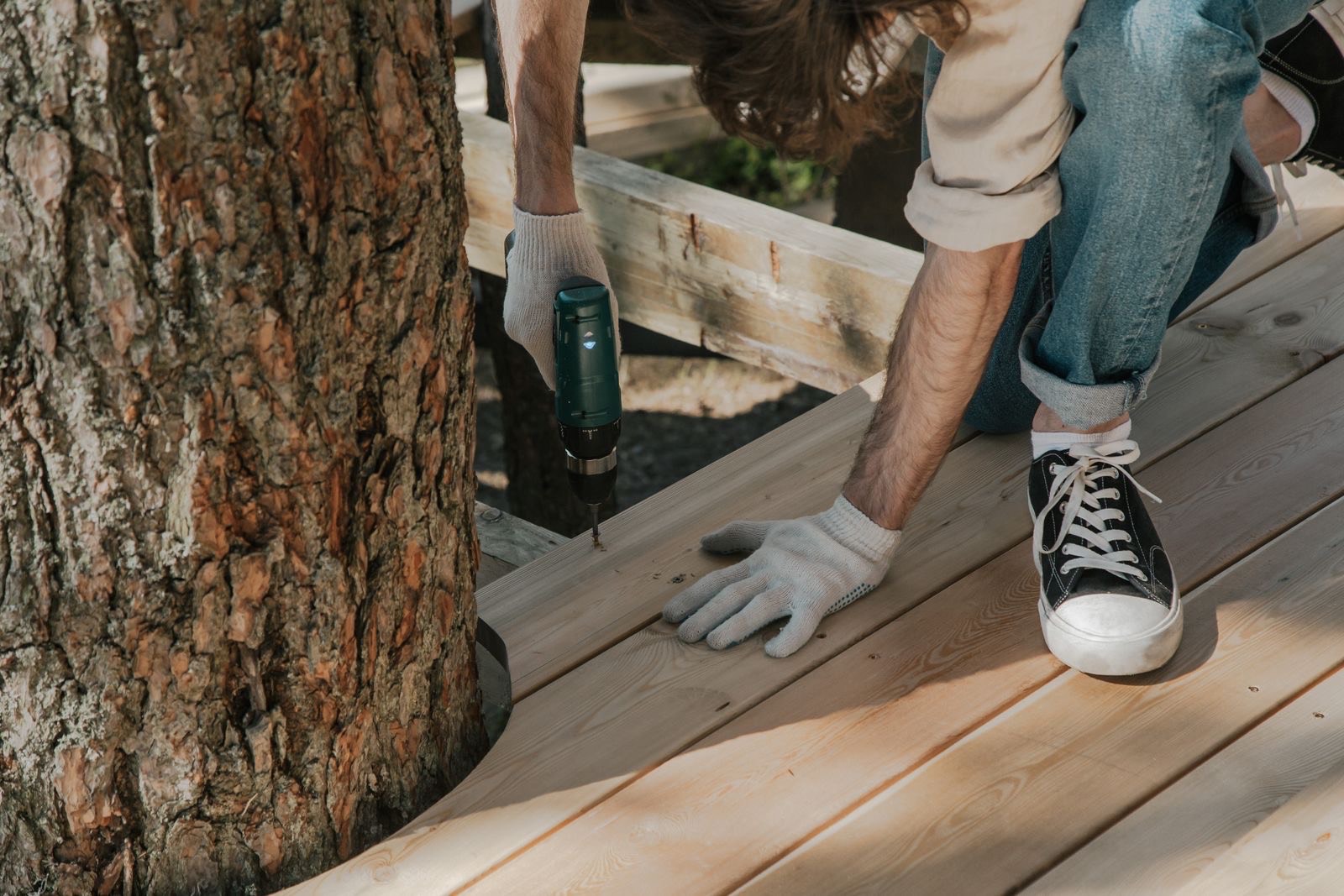
If you’d rather take the basketball hoop apart and find it a new home yourself, here’s what we’d tell a friend in Metairie: where to donate it, what the local collection and drop-off rules allow, and what to do with anything that can’t be reused.
Photograph it assembled before you start. Recipients want to see what they’re getting.
Bag and label the hardware for each section as it comes apart.
Be honest about rust, rot, tears and missing parts. Unsafe equipment shouldn’t be passed on.
Call before you load. Large outdoor items are usually accepted case by case.
Metairie’s closest drop-offs are thrift outlets: Goodwill’s Veterans Memorial donation center and the Salvation Army on Jefferson Highway. They suit portable toys more than lumber, so for playset boards look to the Habitat ReStore in New Orleans and ask about its free pickup.
Gently used toys, exercise equipment, bicycles, furniture and outdoor power equipment. Refuses building materials, broken furniture, cribs and play pens.
Tip: Trampolines and playsets aren’t on the list; ask before bringing more than small toys or a portable hoop. Open Mon–Sat 9–6, Sun 10–6.
Housewares, appliances, furniture and building materials including lumber; drop-off during business hours or a scheduled residential pickup.
Tip: Ask whether residential pickup reaches your Metairie address; offer sound lumber and hardware, since broken or incomplete items are refused.
Checked online on October 9, 2026. Donation sites decide what they accept and can change their rules. They’re listed for your own drop-off and aren’t affiliated with Second Life Play. Don’t want to haul it? We’ll take it apart and look for a new home for you.
BEFORE YOU HAND IT OVER
Agree on the next home before teardown.
A portable goal with a sound base and working height adjustment is the easiest to rehome; an in-ground system only suits someone ready to pour a new footing. Post photos of the rim, net hook and board. Goodwill’s list includes exercise equipment but not hoops, so ask before dropping one off. When it’s done, the steel can be scrapped and the backboard handled separately.
Recipient acceptance must come first. Organizations listed here aren’t affiliated with Second Life Play, so confirm acceptance with them directly. A photo review does not certify equipment for use.
An in-ground basketball pole is typically longer than six feet and can be heavy, which puts it outside the parish’s bulky limits unless it’s cut down. Footings are concrete, and the parish requires smaller concrete pieces to be containerized rather than piled loose. A portable hoop is more manageable: drain the base, separate the pole sections and backboard, and keep each piece under six feet and 400 pounds. The David Drive drop-off takes scrap metal and construction debris free from residents, which suits cut pole sections and broken concrete you load yourself, but trailers get sent to a landfill. EMR’s Westwego yard on Labauve Road buys ferrous steel and pays most materials in cash up to $300 a day with ID. Any debris a hired crew generates isn’t eligible for the parish pickup.
Bulky items must be under six feet and 400 pounds. A full-length in-ground pole won’t qualify uncut, so plan to section it, take it to the drop-off or have it removed.
We think we’re the best at this. Go ahead and compare.
We think we’re pretty great at removing old play equipment and finding it a second home. We’d even dare say the best: it’s what we do. But it’s your yard and your call. If you’d like to compare, here are other companies that advertise basketball hoop removal around Metairie. Give them a call. We’re confident you’ll choose us.
Independent businesses, not Second Life Play crews or affiliates. Descriptions reflect what their own pages advertised when checked; confirm your address, equipment and full scope with them directly.
Metairie collection & drop-off questions.
Can I put broken hoop concrete out with Metairie bulky trash?
Only in a container. Jefferson Parish requires smaller concrete pieces to be containerized. Larger chunks are better taken to the David Drive drop-off, which accepts construction debris from residents.
Can a removal company drop my hoop at David Drive for free?
No. The free service is for residents. Contractors and commercial users pay $14 per pickup or $20 per trailer by card, and trailers are directed to a landfill.
Reviewed online on October 12, 2026. A published listing confirms what an organization advertises; it does not confirm today’s appointment availability or acceptance of your exact equipment.